

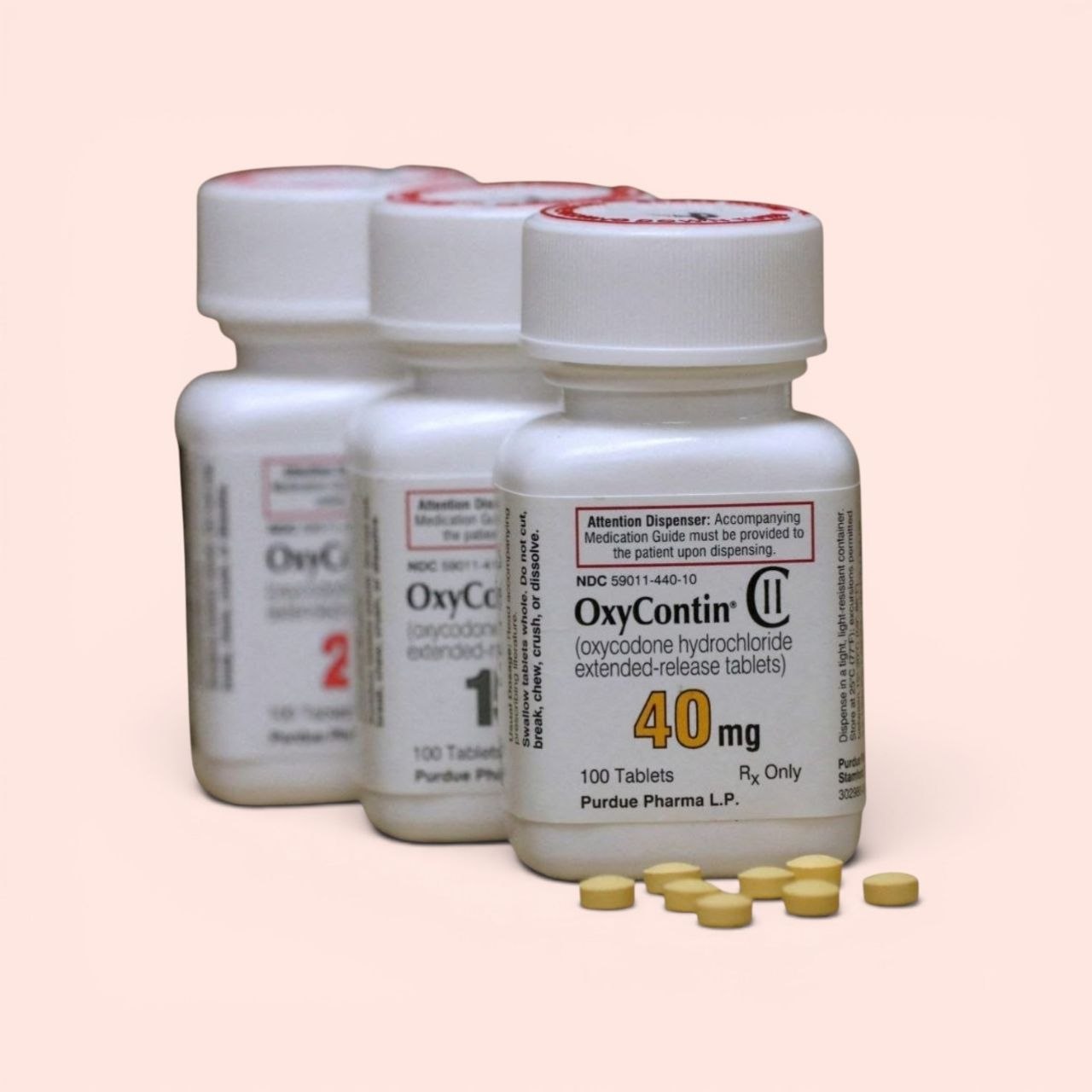

Buy OxyContin 40 mg: Uses, Dosage, Benefits, Risks, and Safety Information
What Is OxyContin 40 mg?
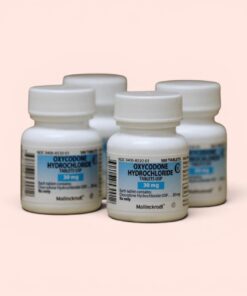
Buy OxyContin 40 mg is a prescription extended-release formulation of oxycodone, an opioid analgesic used to manage severe pain that requires around-the-clock, long-term treatment when alternative therapies are not effective or appropriate. Unlike immediate-release oxycodone products, OxyContin is formulated to release the medication gradually over an extended period, helping provide continuous pain relief for appropriately selected patients. Buy OxyContin 40 mg.
Because OxyContin contains oxycodone, it carries significant risks, including misuse, addiction, physical dependence, overdose, and life-threatening respiratory depression. It should only be prescribed by a licensed healthcare professional after carefully evaluating a patient’s medical history, pain management needs, and potential risk factors. The 40 mg strength is generally intended for patients who require a higher level of opioid therapy and may not be appropriate for individuals who are opioid-naïve. Buy OxyContin 40 mg.
Medical Uses of OxyContin 40 mg
Healthcare providers prescribe OxyContin for the management of severe, persistent pain that requires continuous opioid treatment over an extended period. It may be considered for certain chronic pain conditions when non-opioid medications, physical therapy, or other treatment approaches have not provided adequate relief or are not suitable.
Pain management should always be individualized. Clinicians often use a multimodal approach that may include non-opioid medications, rehabilitation, psychological support, exercise programs, and other therapies alongside or instead of opioid medications whenever appropriate. Regular follow-up visits help determine whether treatment remains effective and whether the benefits continue to outweigh the potential risks. Buy OxyContin 40 mg.
Because opioid medications can affect each person differently, healthcare providers carefully monitor patients for pain control, side effects, functional improvement, and signs of opioid-related complications throughout treatment.
Dosage and Proper Administration
The appropriate dosage of OxyContin depends on multiple factors, including the patient’s pain severity, previous opioid exposure, overall health, kidney and liver function, and response to treatment. Patients should always take the medication exactly as prescribed and should never increase the dose or frequency without medical guidance. Buy OxyContin 40 mg.
Extended-release tablets should be swallowed whole. They should not be cut, crushed, dissolved, or chewed because altering the tablet may release a potentially dangerous amount of oxycodone at once, significantly increasing the risk of overdose and respiratory depression.
If therapy is no longer needed, healthcare providers generally recommend gradually reducing the dosage rather than stopping the medication abruptly. Tapering helps reduce withdrawal symptoms that may occur after prolonged opioid use.
Patients should also inform their healthcare provider about all prescription medications, over-the-counter medicines, herbal products, and dietary supplements they use to help identify potentially harmful drug interactions. Buy OxyContin 40 mg.
Side Effects, Risks, and Important Safety Information
Like other opioid medications, OxyContin may cause both common and serious side effects. Frequently reported side effects include constipation, nausea, vomiting, drowsiness, dizziness, dry mouth, sweating, and fatigue. Some patients may also experience impaired concentration or slower reaction times.
More serious adverse effects require immediate medical attention. These include difficulty breathing, severe allergic reactions, profound sedation, confusion, and symptoms of overdose. The risk of respiratory depression is highest when treatment is started, after dosage increases, or when OxyContin is combined with alcohol, benzodiazepines, or other medications that depress the central nervous system. Buy OxyContin 40 mg.
Because oxycodone has the potential to cause physical dependence and opioid use disorder, healthcare providers carefully assess each patient’s risk before initiating therapy and continue monitoring throughout treatment. Patients should store opioid medications securely and keep them out of the reach of children and others who could accidentally or intentionally misuse them.
Frequently Asked Questions
What is OxyContin 40 mg used for?
It is prescribed for certain patients with severe, ongoing pain requiring continuous, long-term opioid treatment when other options are insufficient or inappropriate.
Is OxyContin the same as immediate-release oxycodone?
No. OxyContin is an extended-release formulation designed to provide prolonged pain relief, whereas immediate-release oxycodone works over a shorter duration.
Can OxyContin cause dependence?
Yes. OxyContin carries risks of physical dependence, misuse, addiction, and overdose. It should only be used exactly as prescribed.
Can I drink alcohol while taking OxyContin?
Alcohol should generally be avoided because combining it with oxycodone can increase the risk of severe sedation, respiratory depression, and overdose.
Can I stop taking OxyContin suddenly?
Patients using opioid therapy for an extended period should not discontinue treatment abruptly unless directed by a healthcare professional. A gradual taper is typically recommended.
Conclusion
OxyContin 40 mg is an extended-release prescription opioid used in carefully selected patients for the management of severe chronic pain requiring continuous treatment. While it can provide effective pain control for some individuals, it also carries substantial risks, including dependence, addiction, overdose, respiratory depression, and potentially serious drug interactions. Safe use requires careful prescribing, ongoing monitoring, adherence to dosing instructions, and regular communication with a qualified healthcare provider. Buy OxyContin 40 mg.
| Oxycontin 40mg | 50 Pills, 100 Pills, 200 Pills |
|---|
Related products
PILLS
PILLS
PILLS
PILLS
PILLS

PILLS
PILLS
PILLS